Memorial of St. Elizabeth of Hungary, Religious
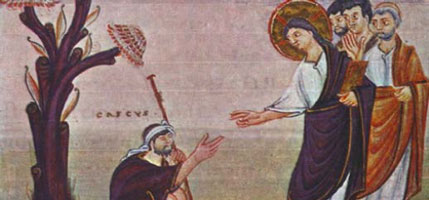
Mark was the first to tell the story of the blind man who called out to Jesus at the gates of Jericho. He even names him, “Bartimaeus,” or Son of Timaeus. “Timaeus” means defiled, profane, unclean.
It was through Jericho, on the way to Jerusalem and its Temple, that Jewish pilgrims would flow from throughout the Mediterranean world. Beggars lined the road in hopes that those arriving in a religious mindset would show mercy. Most beggars were seated, with a cloak spread about them to catch the coins that travelers would toss.
THE discipleship question asked by Jesus today is asked on two separate occasions in each of the synoptics (Mark, Matthew, & Luke): “What do you want me to do for you?”
The first to be asked this question are the Sons of Zebedee. James and John had earlier approached Jesus with a request. Thus his question to them. The other whom Jesus asks this ultimate discipleship question is the blind man. The contrast in their responses couldn’t be more stark:
- The brothers ask for honor. ——— The blind man asks for healing.
- The brothers want to be seen. ——— The blind man wants to see.
- The brothers ask in the shadows. ——— The blind man cries out in public.
- The brothers want power. ——— The blind man asks for no prestige.
- The brothers will run away. ——— The blind man follows Jesus “along the way.”
Who are the truly blind ones?
At their initial calling at the start of the Gospels, the Sons of Zebedee leave their nets to follow him. The nets were their means of livelihood which they left behind. At least they got that part right. At his calling, the blind man leaves his cloak behind. It, too, was his way of livelihood (catching the coins that were tossed by pilgrims). Thus all three symbolically leave everything behind to follow him. What do we both individually and as a community of faith need to “leave behind” in order to follow him?
How do we individually and as a community of faith respond to the question above of all questions: “What do you want me to do for you?” What must we leave behind to follow him?
—Timothy J. Cronin