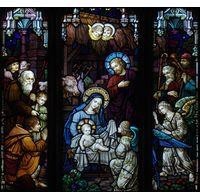
The Sixth Day in the Octave of Christmas
Each year during the Christmas and Easter seasons we hear references to “Octave Days.” The term octave means “eight,” but just what exactly are Octave Days, and why are they part of the Church’s liturgical calendar?
The Church long ago realized that we need more than just a day to contemplate the chief solemnities of our faith, mysteries such as the virgin birth and the empty tomb.
As a result, centuries ago, we began prolonging major feasts, principally Easter and Christmas, across eight days. The solemnity itself is the first day, and the eighth day is called the
Octave Day. The term octave can thus refer both to the eighth day alone and to the entire period of eight days taken as a whole.
As we move through these octave days of the Nativity of our Lord, I offer the following Eucharistic prayer preface for octaves of Christmas, Gelasian sacramentary (from Pope Gelasius, 8th century):
“It is indeed right and proper, and what duty requires of us, that always and everywhere we should give you thanks, almighty Father, eternal God, through Jesus Christ our Lord.
As we celebrate the octave of his birth, we revere the marvels you wrought, for she that gave him birth was a virgin mother, and he that was born of her was eternal son.
No wonder that the heavens gave tongue, the angels rejoiced, the magi underwent transformation, kings were seized with anxiety, and tiny children were crowned with glory of martyrdom. He was our food, yet his mother fed him; he was the bread that came down from heaven, yet laid in a manger like fodder, for the animals to eat devoutly.
There did the ox recognize its owner and the ass its master’s crib: there did the people of the circumcision acknowledge him, there did the Gentiles acclaim him.”
In the spirit of this ancient prayer let us keep all the days of Christmas. So don’t put that tree out on the curb or the nativity scene back in storage just yet! Now is the time to sing carols and host gatherings. The pangs and longings of the ages have come to fullness in this holy birth. These are the days to make merry.
-Timothy J. Cronin