Memorial of Saint Martin of Tours, Bishop
The New Testament “pastoral letters” consist of I & II Timothy & Titus. Timothy & Titus were the right and left hands of Paul. Today we hear the beginning of Paul’s letter to Titus.
Catholic and mainline Protestant scholars contend that the pastorals were written in the 90s — 30 years after Paul’s death. The style of writing and the circumstances of the early Church are not Paul’s. Paul’s name was used to give the letters authority, a common writing technique among the ancients. In fact, the historical Paul composed but seven of the thirteen letters ascribed to him.
By the end of the first century, the “pastorals” painted a more sophisticated church structure compared to Paul’s time: episkopos (bishops), presbyteros (priests), and diakonos (deacons). What was intended by these terms differed among various “Followers of the Way.” But by the second century these titles would be defined as “rankings,” men set apart as the “ordained.”
We baby boomers were raised in a church for whom this “setting apart” gave rise to rampant clericalism, a far cry from the intent of the pastoral letters. Vatican Council II countered this but as of late clericalism is on the rise. At the Synod on Solidarity in Rome last October, Pope Francis spoke out against this scourge, especially among younger clergy. He reminded the clergy that they “come from the people” and condemned “dictatorial attitudes.” Vatican II is denounced as a mistake among many younger priests who wish to revert back to a church they never knew and glamorize as some kind of panacea. Having grown up in that church, I can assure you it wasn’t.
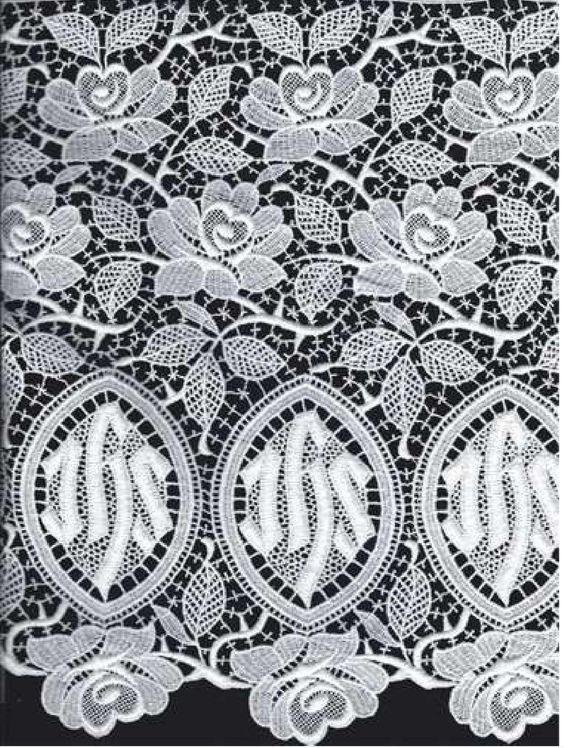
The Holy Father added, “It is unsettling to go into the ecclesiastical tailor shops in Rome to see the scandal of younger priests glorifying themselves, trying on cassocks, baretas, lace albs, elaborately embroidered chasubles. Leave grandma’s lace in the attic!” Believing something is amiss, the synod calls for changes in seminary formation.
What would this synodal priest of the future look like? “A synodal priest is a discerning presence. Wherever he’s sent he welcomes input and is eager to hear from everyone. He discerns with the Holy Spirit, with the heart of the church. He’s doing it with the people, not making stands on his own. He’s a listener, a discerner par excellence.” - Fr. Paul Hoesing, rector of Kenrick-Glennon Seminary, St. Louis, MO.
As we have anxiously rung our hands about the priest shortage, perhaps in some ways it has been a gift of the Holy Spirit. Vatican Council II defined the church as “the People of God,” stating that all the baptized received “the universal call to holiness.” This includes shared ministry (especially administratively). Our priests need to be freed up for the sacramental
ministry for which they were ordained. They are overworked and stressed in unhealthy ways and this simply cannot continue. Theirs is a heavy burden.
My humble opinion is that much of our inability to listen to what the Spirit is telling us is an obsession with keeping mandatory celibacy at all costs. Unfortunately it appears, to me anyway, that cost has been far too great.
—Timothy J. Cronin